
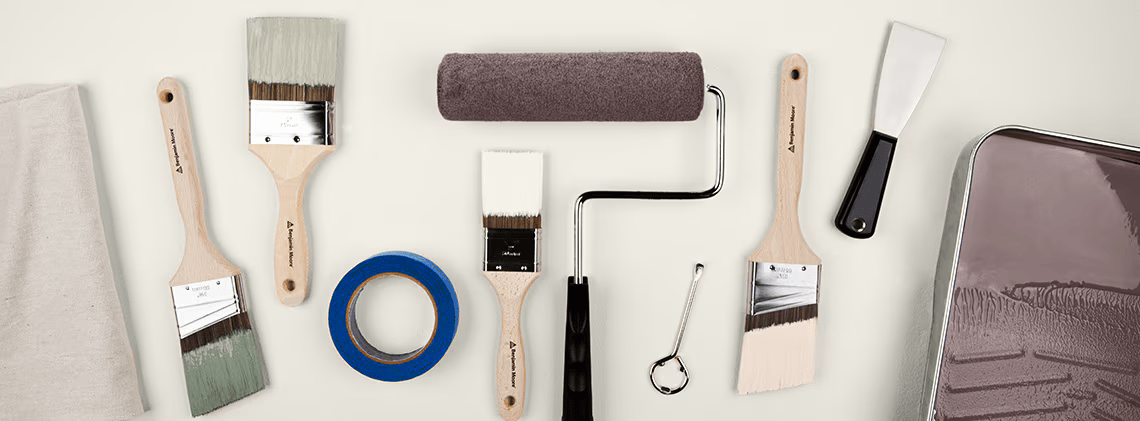
Knowledge is power, especially when it comes to painting. Whether you’re tackling a single accent wall or prepping to repaint an entire room, having the right tools, the right materials, and a clear process makes the difference between a finish that looks professional and one that shows every shortcut. Below, we’ve rounded up helpful tools, guides, and videos to help you plan your project, along with some of our own tips from years of painting homes throughout the Dallas area.
Start With the Right Amount of Paint
Nothing derails a painting project faster than running out of paint halfway through a wall, especially if the next can doesn’t match perfectly due to a different batch or mixing tint. Before you buy a single can, figure out your square footage and how many coats you’ll need.
Paint Calculator – Use this tool to determine how much paint to buy before starting your project. Measuring your walls (or having us measure them for you) up front saves you a return trip to the store and keeps your color consistent from start to finish.
Gather Your Supplies Before You Start
Half the frustration in DIY painting comes from stopping mid-project to run out for supplies you didn’t realize you needed. Tape, drop cloths, brushes in multiple sizes, roller covers, an extension pole, sandpaper, a putty knife for patching, and a good angled brush for cutting in around trim all matter more than people expect.
Paint Checklist – Make sure you have all the supplies you need before starting your job. Running through a checklist before you crack open a can of paint is one of the simplest ways to keep your project moving without interruption.
Choosing Colors With Confidence
Color selection is often the part homeowners agonize over the most, and for good reason – it’s the decision you’ll be living with every day. Lighting, room size, existing furniture, and adjoining rooms all affect how a color actually reads on your walls versus how it looks on a small paint chip.
Paint Colors – Use this tool to explore color options and determine which colors to select for your home. We recommend testing any color you’re seriously considering on a sample board or a small section of wall, and viewing it at different times of day before committing to gallons.
Paint Visuals – View helpful charts and graphs to inform your painting project, from color pairing ideas to visual breakdowns of finishes and undertones.
Learn the Techniques Before You Pick Up a Roller
Watching a technique before you attempt it yourself can save you from common mistakes like roller marks, uneven cut lines, or lap marks where wet and dry paint overlap.
Paint Videos – Watch painting video streams for useful tips on how to paint a room fast, how to paint a door, how to use a paint roller, and how to paint trim work. These short, focused videos are a good refresher even if you’ve painted before.
Follow a Proven Order of Operations
Painting in the right sequence keeps your project efficient and helps avoid drips, smudges, and rework. Skipping steps or painting out of order is one of the most common reasons DIY projects take longer than expected.
How to Paint a Room – A great step-by-step guide to get a great result if you’re taking on a small paint job on your own. It covers prepping the room, doors, trim, and paint clean up, all in the order that produces the cleanest results.
Pick the Right Sheen for Each Surface
Sheen affects both the look and the durability of a painted surface, and different rooms call for different finishes. As a general guide:
- Flat/matte is ideal for ceilings, where you want to minimize the appearance of imperfections and avoid glare.
- Eggshell works best for most walls, offering a soft, low-luster look that’s easy to clean.
- Satin suits kitchens and bathrooms, standing up well to moisture and light scrubbing.
- Semi-gloss and gloss are best for trim, doors, and cabinets, where durability and a wipeable surface matter most.
Choosing a Paint Sheen – A helpful breakdown of how sheen affects appearance and performance across different rooms and surfaces.
A Few Extra Tips From Our Crews
After years of painting homes and businesses across Dallas, a few lessons come up again and again:
- Prep is everything. Cleaning, patching, sanding, and priming take time, but they’re what separate a paint job that looks good on day one from one that looks good for years.
- Good tape isn’t optional. Cheap painter’s tape can bleed paint underneath it, leading to fuzzy lines along trim and ceilings.
- Two coats, almost always. Even with high-quality paint, a single coat rarely gives you full, even coverage, especially with color changes or darker tones.
- Ventilation matters. Open windows and run fans, both for air quality and to help paint cure properly.
- Humidity slows everything down. Dallas summers are humid, and that affects dry time between coats. Plan accordingly if you’re painting during warmer months.
When DIY Isn’t the Right Fit
These tools and resources are great for smaller projects or homeowners who enjoy doing the work themselves. But for larger rooms, whole-home repaints, exterior work, tricky color-matching situations, or commercial spaces, hiring a professional crew often saves time, avoids costly mistakes, and delivers a more consistent finish.
At East Dallas Painting, we bring the same attention to prep, technique, and sheen selection outlined above to every job we take on, backed by premium paints and expert spray, roller, and brush work. If you’d rather leave the ladder and roller to us, we’re happy to help.
Ready to get started? Contact East Dallas Painting today for a free estimate.
- Phone: 214-612-6235
- Toll-Free: 877-275-8751
- Email: info@eastdallaspainting.com